Recovery at home can make everyday routines feel different. A useful gift might bring a little comfort, make a task easier, or add a welcome distraction during a long day.
These 15 ideas range from bedside comforts and room essentials to tools for staying organized. Consider what would fit the person’s space, preferences, and recovery routine.
15 Thoughtful Gift Ideas for People Recovering at Home
BOB AND BRAD Q2 Pro Mini Massage Gun
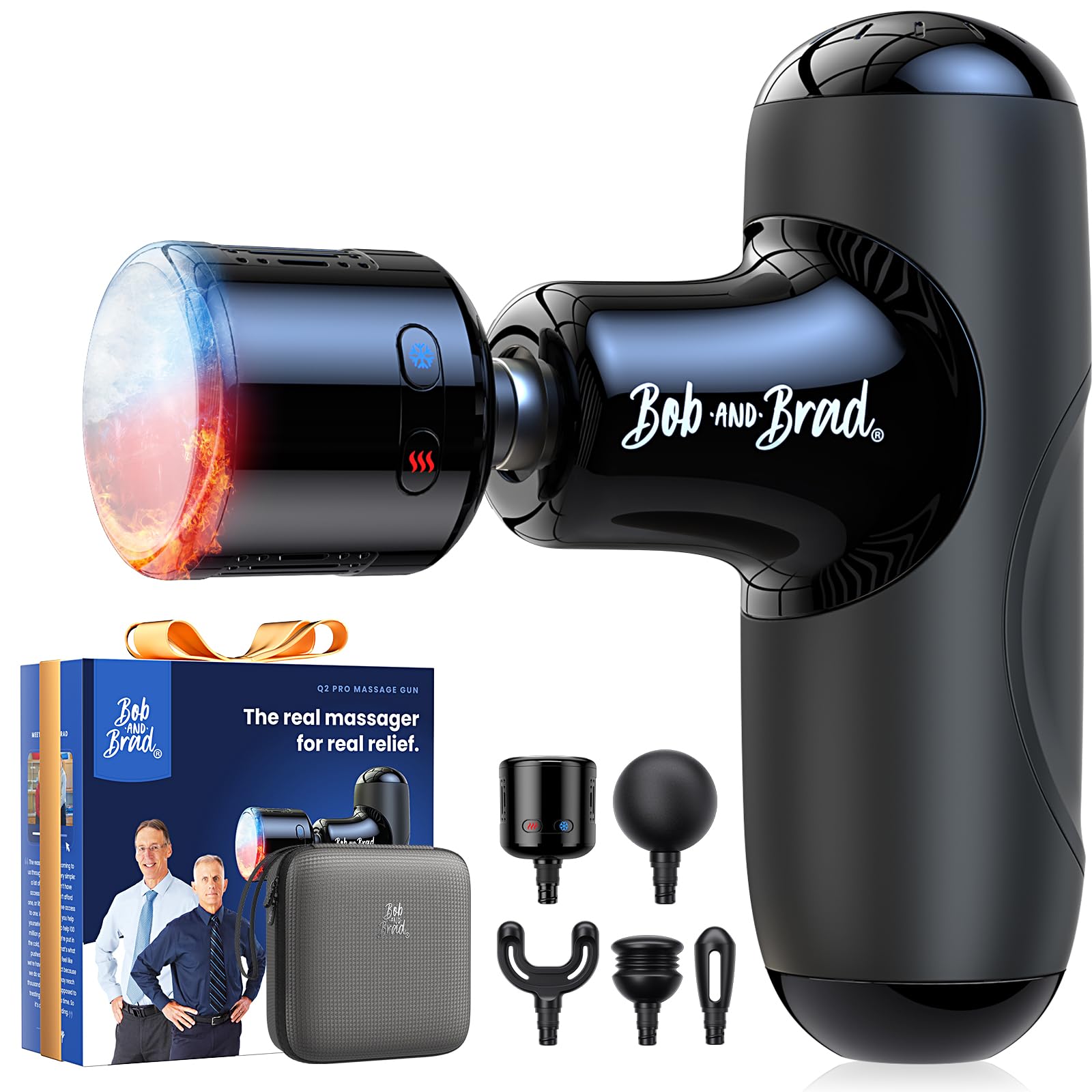
- Offers heat and cold therapy presets for targeted use.
- Comes with interchangeable heads for different muscle groups.
- Includes a portable hand case for carrying or storage.
Best Gift For: Someone who wants a compact massage tool for home or on-the-go use.

RENPHO Foot Massager with Heat
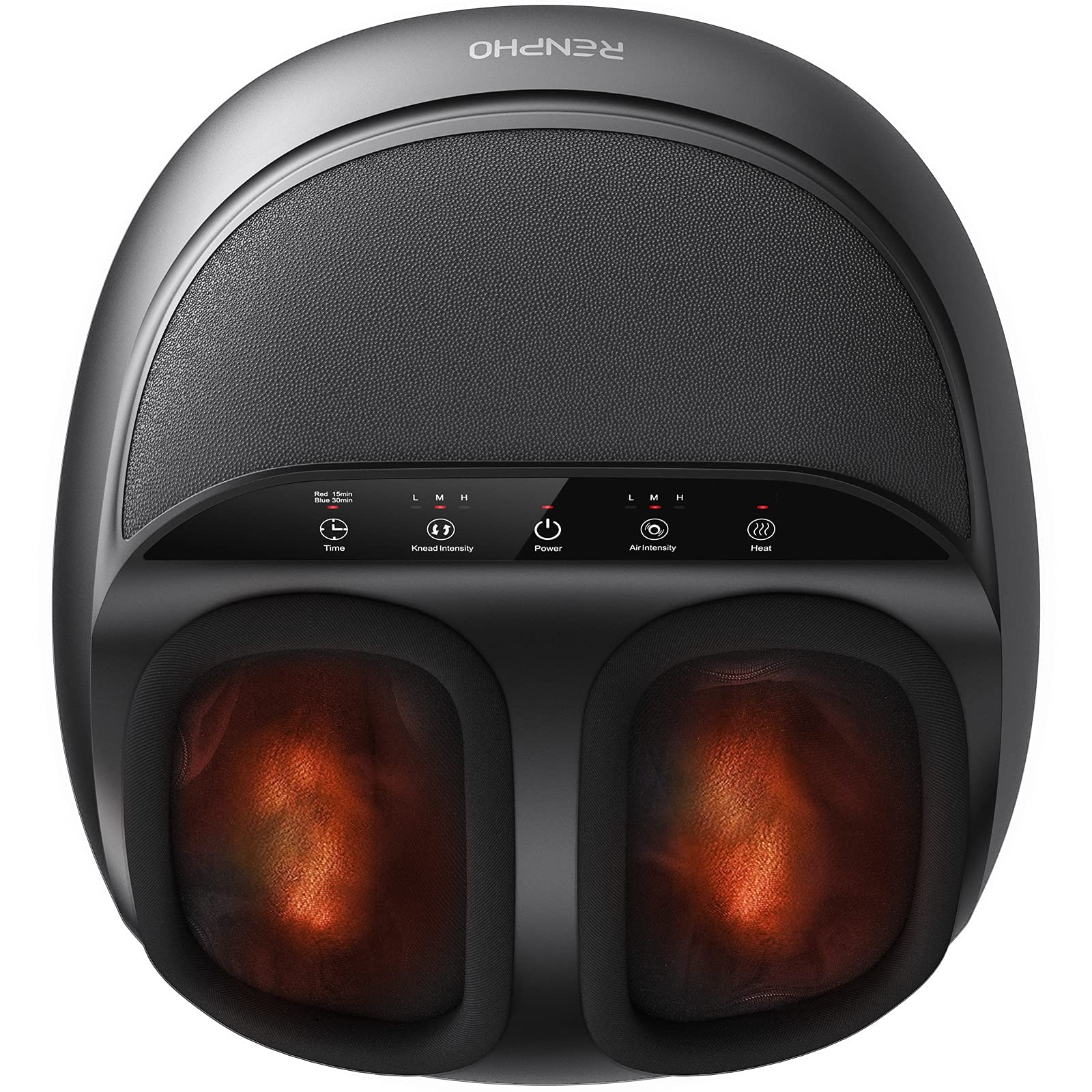
- Combines kneading, rolling, and heat for foot massage.
- Has adjustable kneading and squeeze intensities.
- The foot chambers have removable, washable sleeves.
Best Gift For: Someone who would enjoy a foot massage while relaxing at home.
SONGMICS Adjustable Bed Laptop Desk
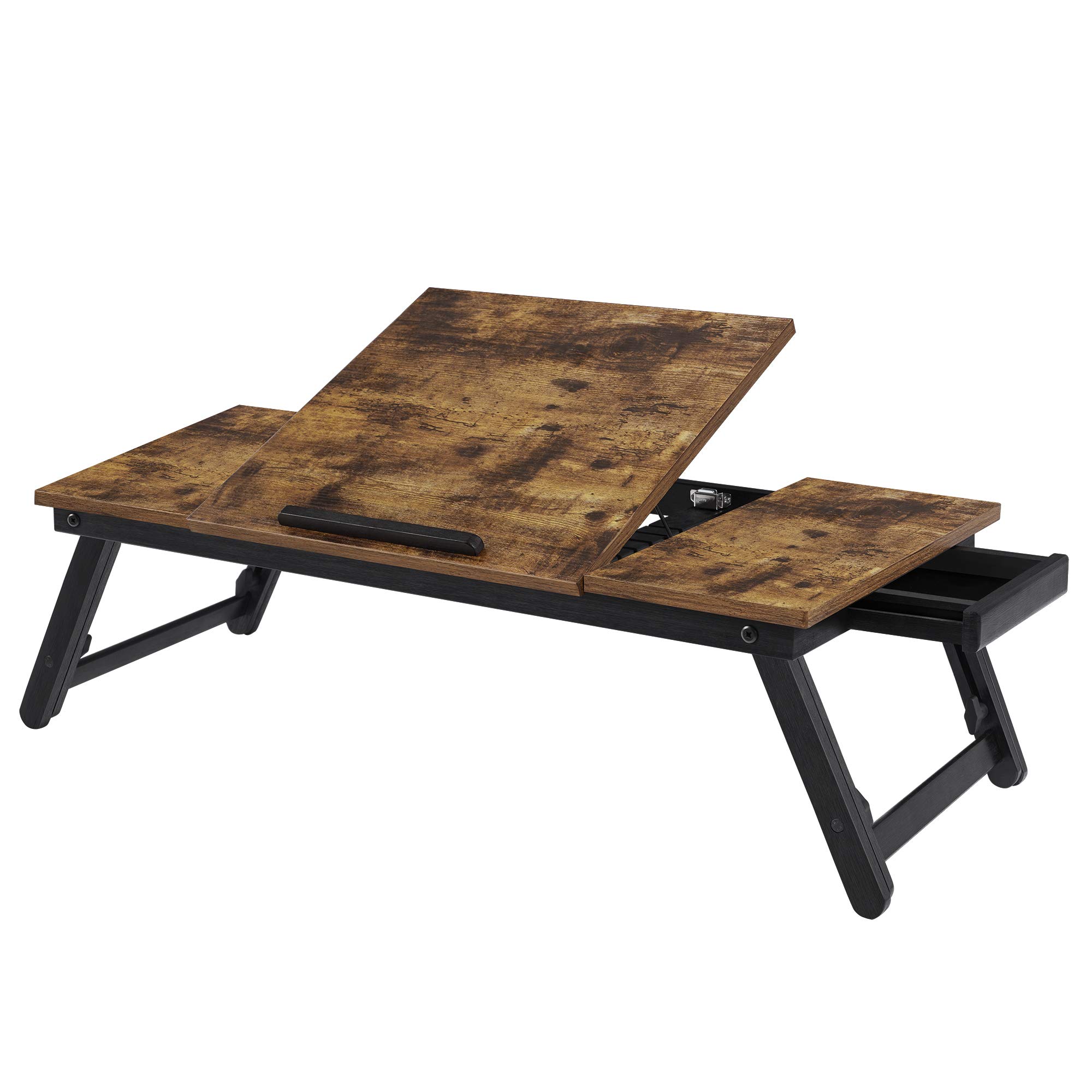
- The top has five angle settings.
- The desktop leaves mouse space for either hand.
- Folds for storage and can serve breakfast in bed or arts and crafts.
Best Gift For: Someone who wants a surface for reading, writing, or laptop use from bed.
Everlasting Comfort Memory Foam Foot Rest
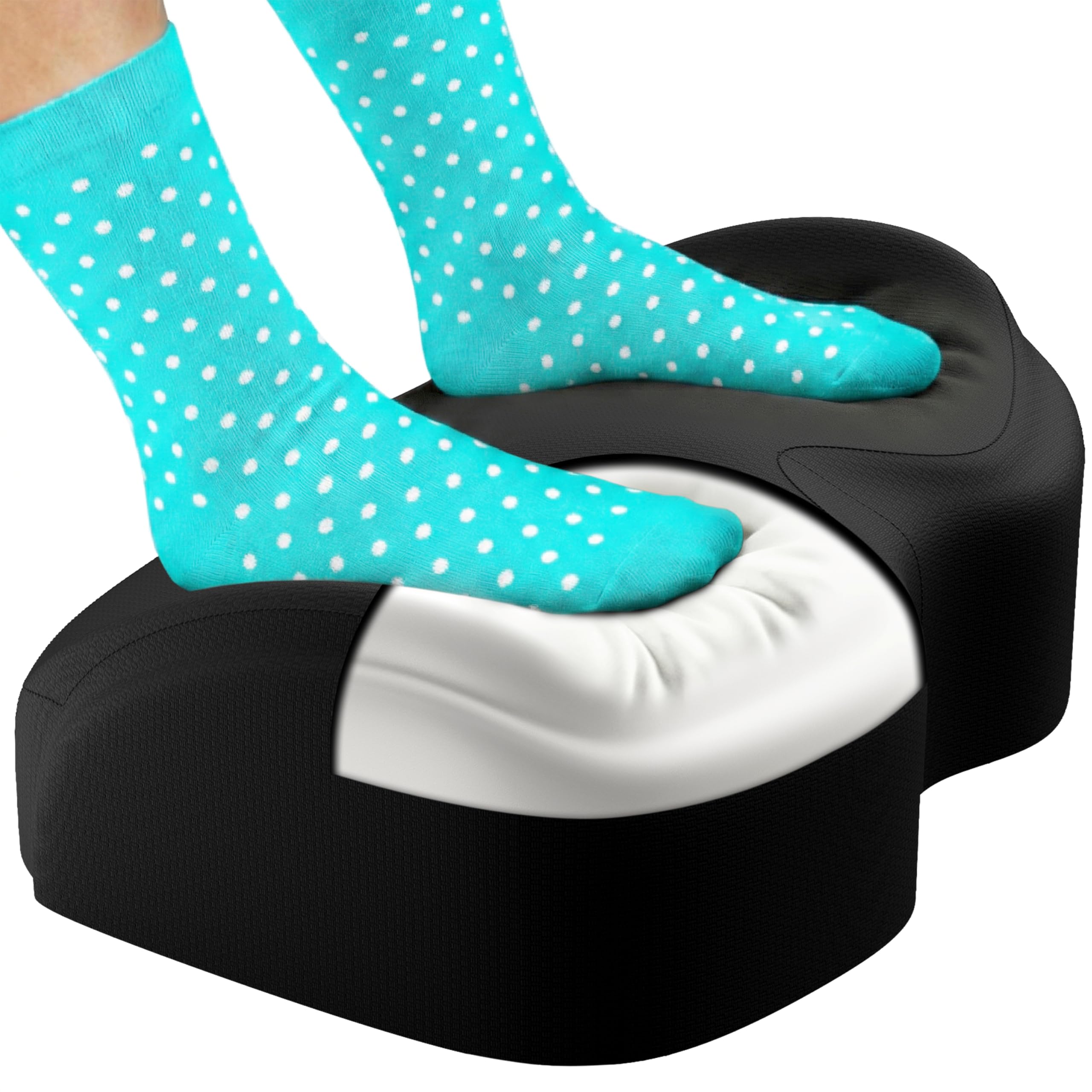
- Memory foam conforms to the feet while providing support.
- The cover is breathable and machine washable.
- A non-slip base helps it stay secure on several floor types.
Best Gift For: Someone who spends time seated and would welcome a soft footrest.
Coop Home Goods Original Adjustable Pillow
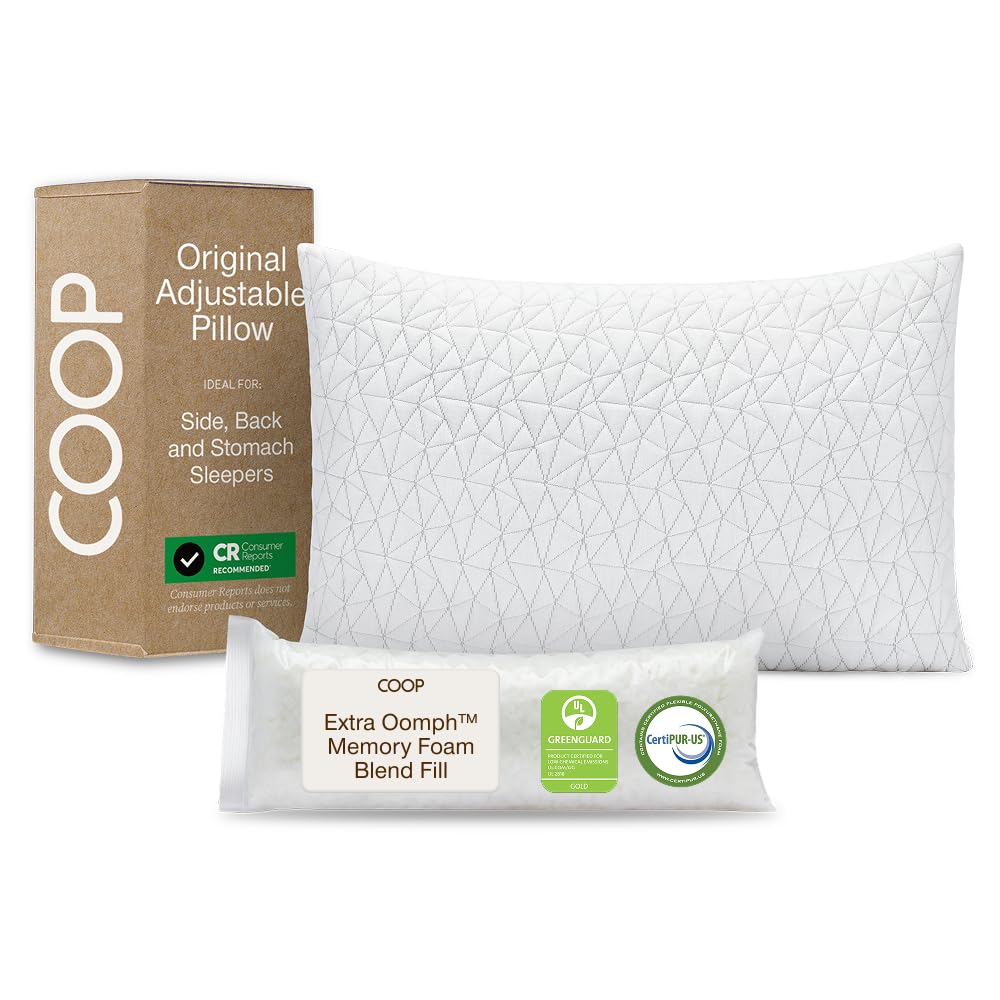
- Adjustable fill lets the sleeper change the pillow’s firmness.
- The cover uses soft, breathable Lulltra fabric.
- An extra fill bag gives more room to customize the loft.
Best Gift For: Back, side, or stomach sleepers who want to adjust pillow firmness and loft.
MyHalos 3D Blackout Sleep Mask, 2-Pack
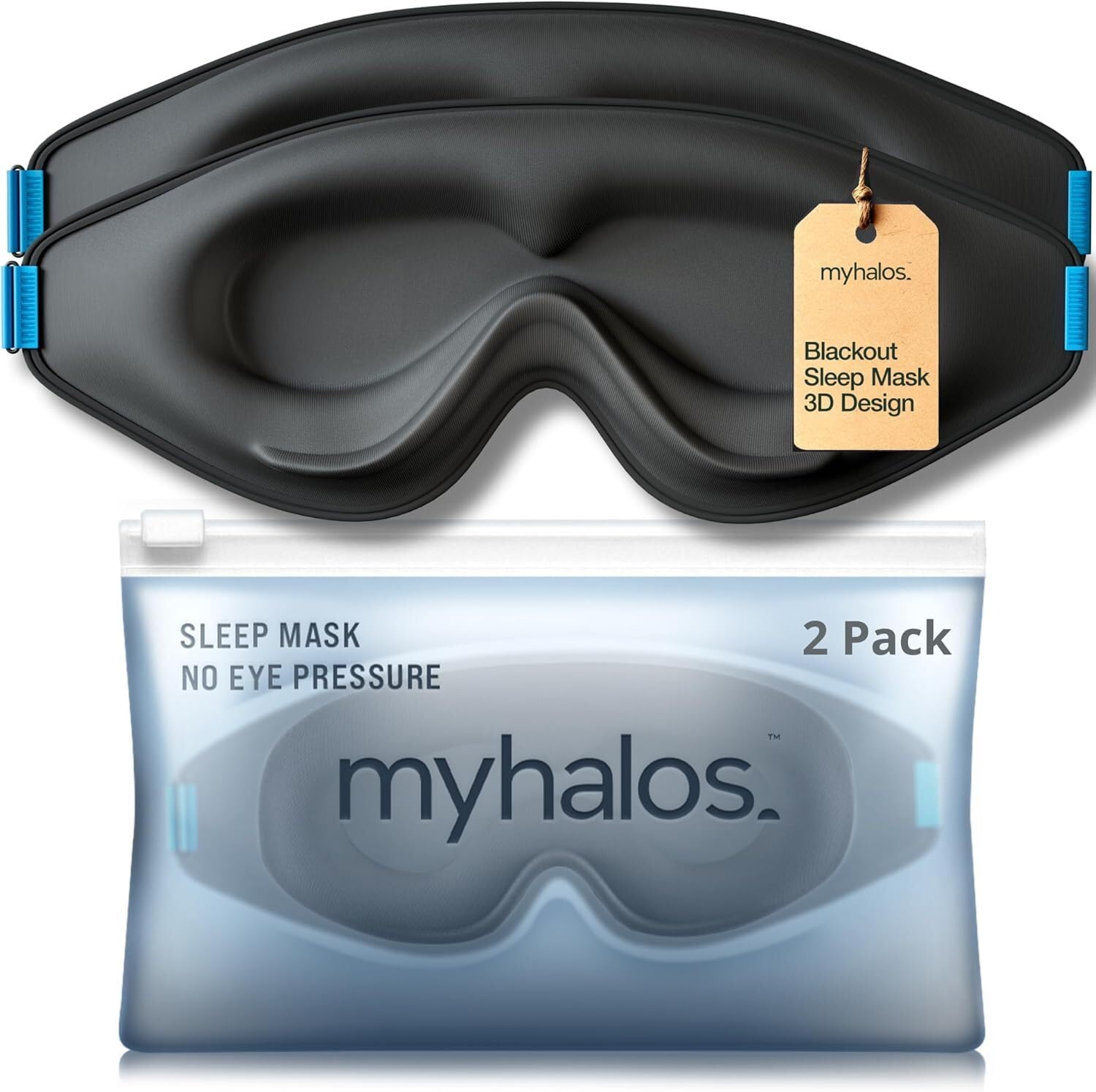
- The contoured design is made to block light.
- Deep eye cups avoid contact with eyelids or lashes.
- Includes a protective pouch for travel.
Best Gift For: A light-sensitive person who could use a sleep mask at home or while traveling.
JLab Go Air Pop Wireless Earbuds
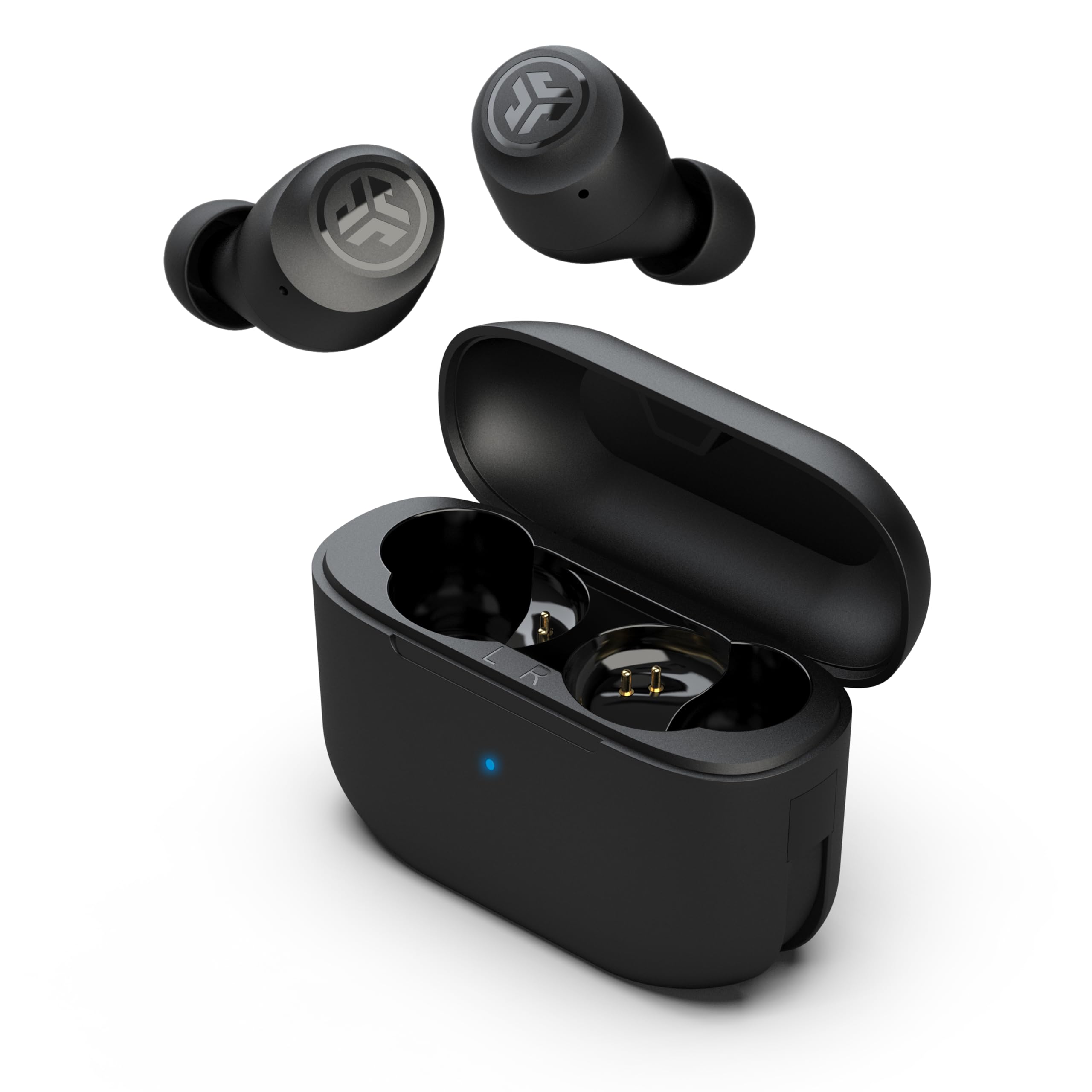
- The charging case has an integrated USB cable.
- Either earbud can be used independently.
- Touch controls manage playback and calls.
Best Gift For: Someone who enjoys listening to audio or making calls while relaxing at home.
Everlasting Comfort 6L Cool Mist Humidifier
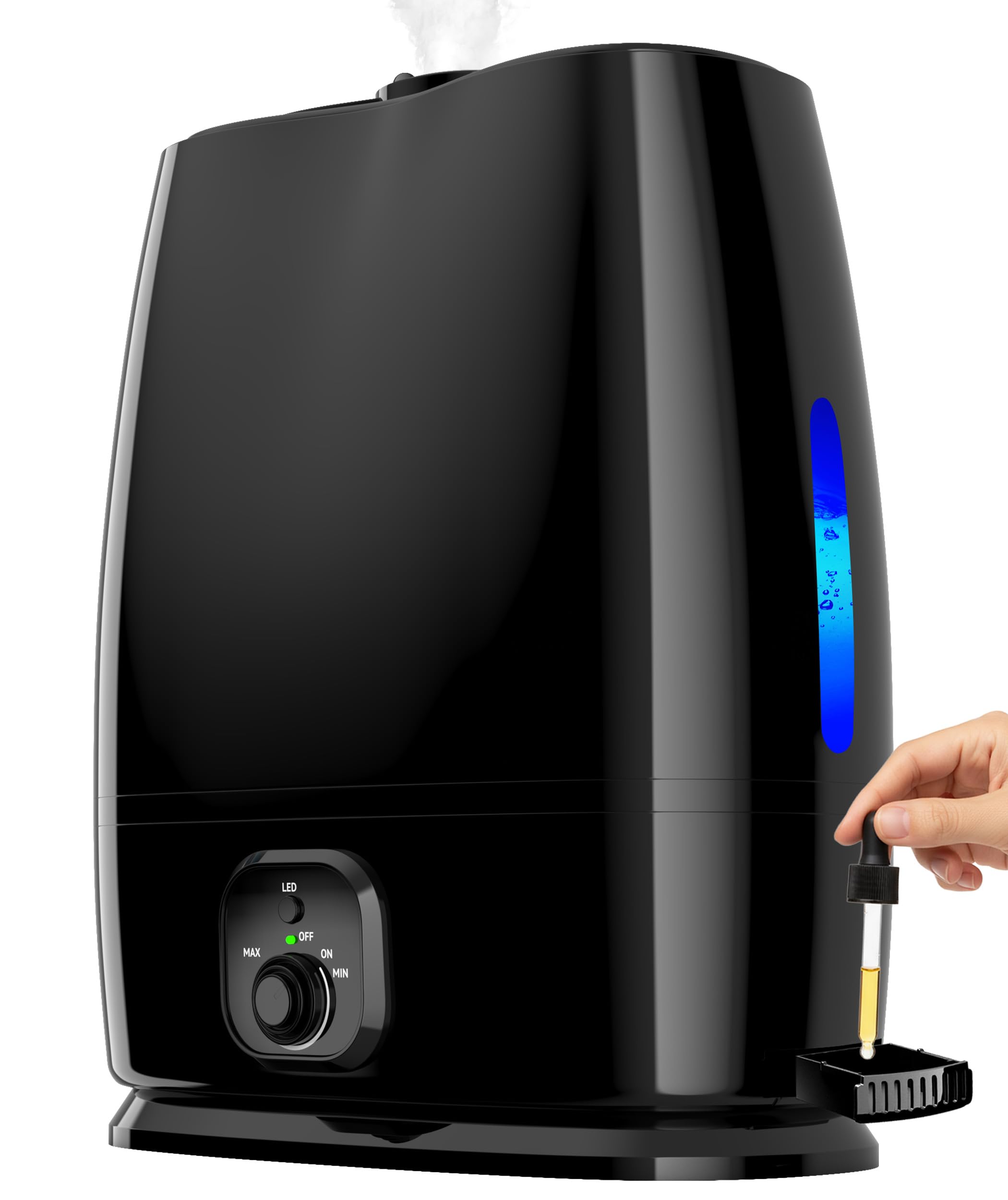
- The filterless design has a wide tank opening for cleaning.
- Mist output adjusts, and a rotating nozzle disperses mist throughout the space.
- A tray holds essential oils for adding scent to the mist.
Best Gift For: Someone who would appreciate a quiet humidifier for a bedroom or living space.
WINIX 5510 Air Purifier
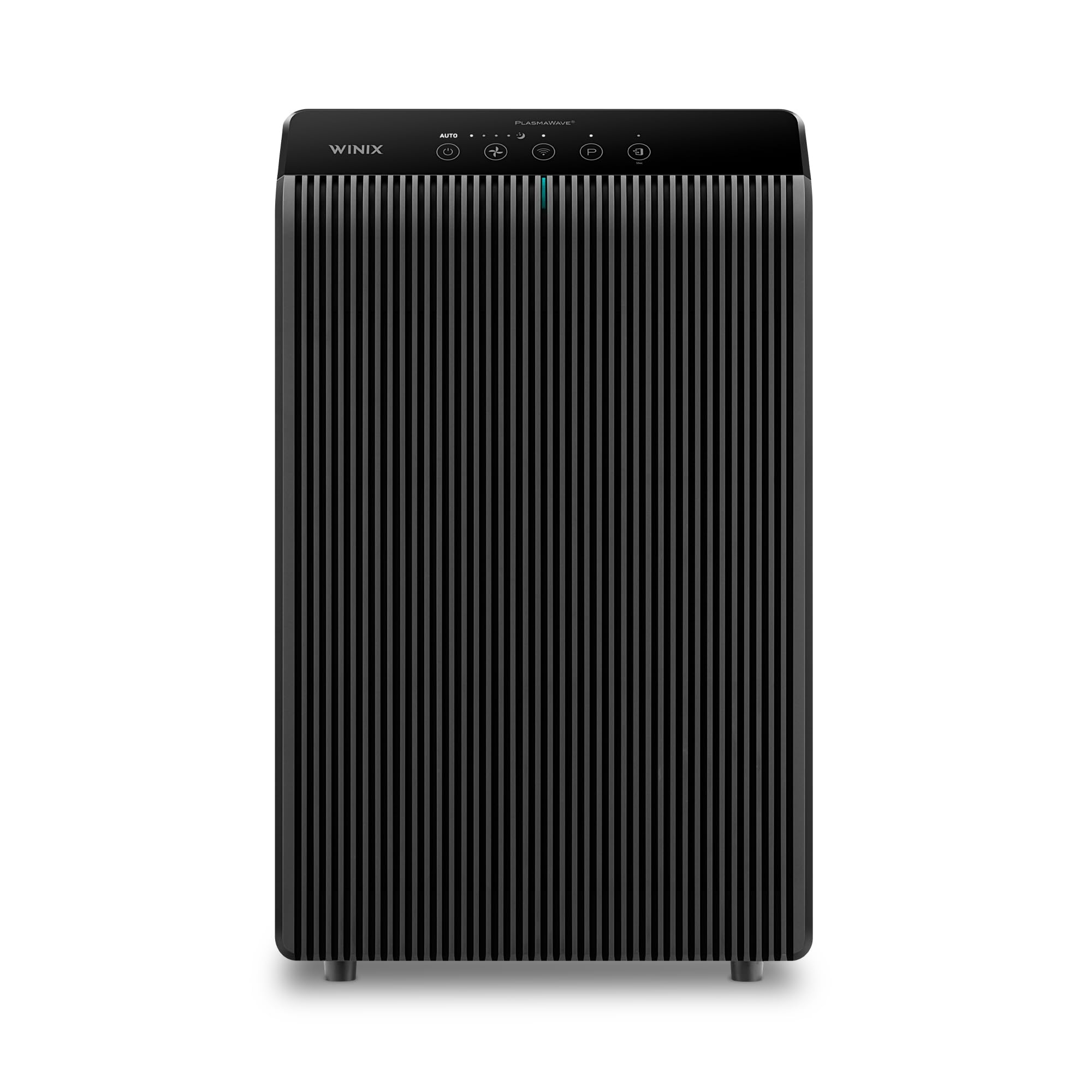
- The Smart App supports remote control and monitoring.
- Auto Mode adjusts fan speed based on air quality readings.
- A washable pre-filter provides a first line of defense against larger airborne particles.
Best Gift For: Someone who would like app-connected air purifier controls at home.
Honeywell QuietSet Tower Fan
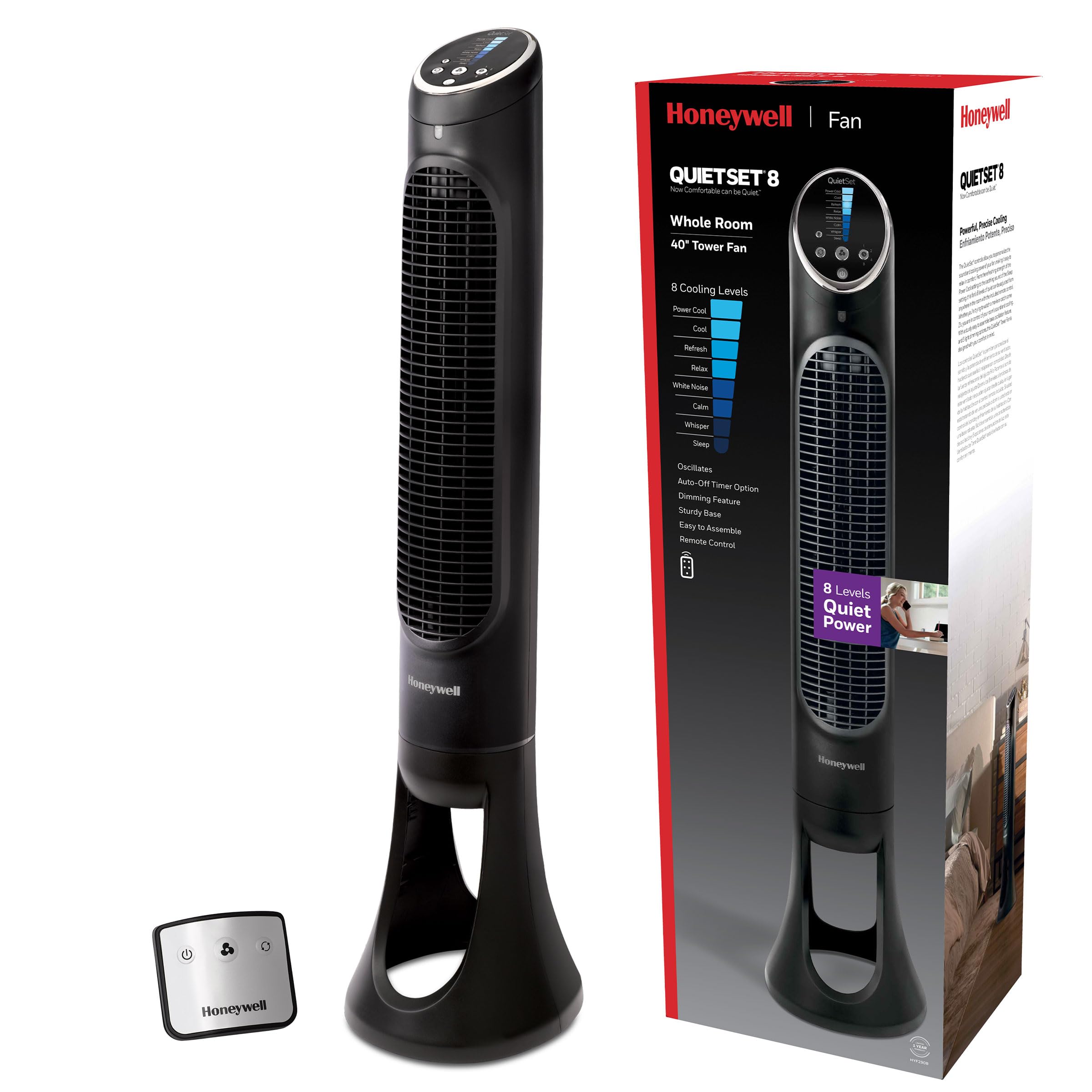
- Includes a remote control that stores in the fan housing.
- Oscillation helps circulate air around a room.
- Offers eight speed settings for adjustable comfort.
Best Gift For: Someone who would enjoy room airflow with remote operation.
Mueller Living 1.8L Electric Kettle
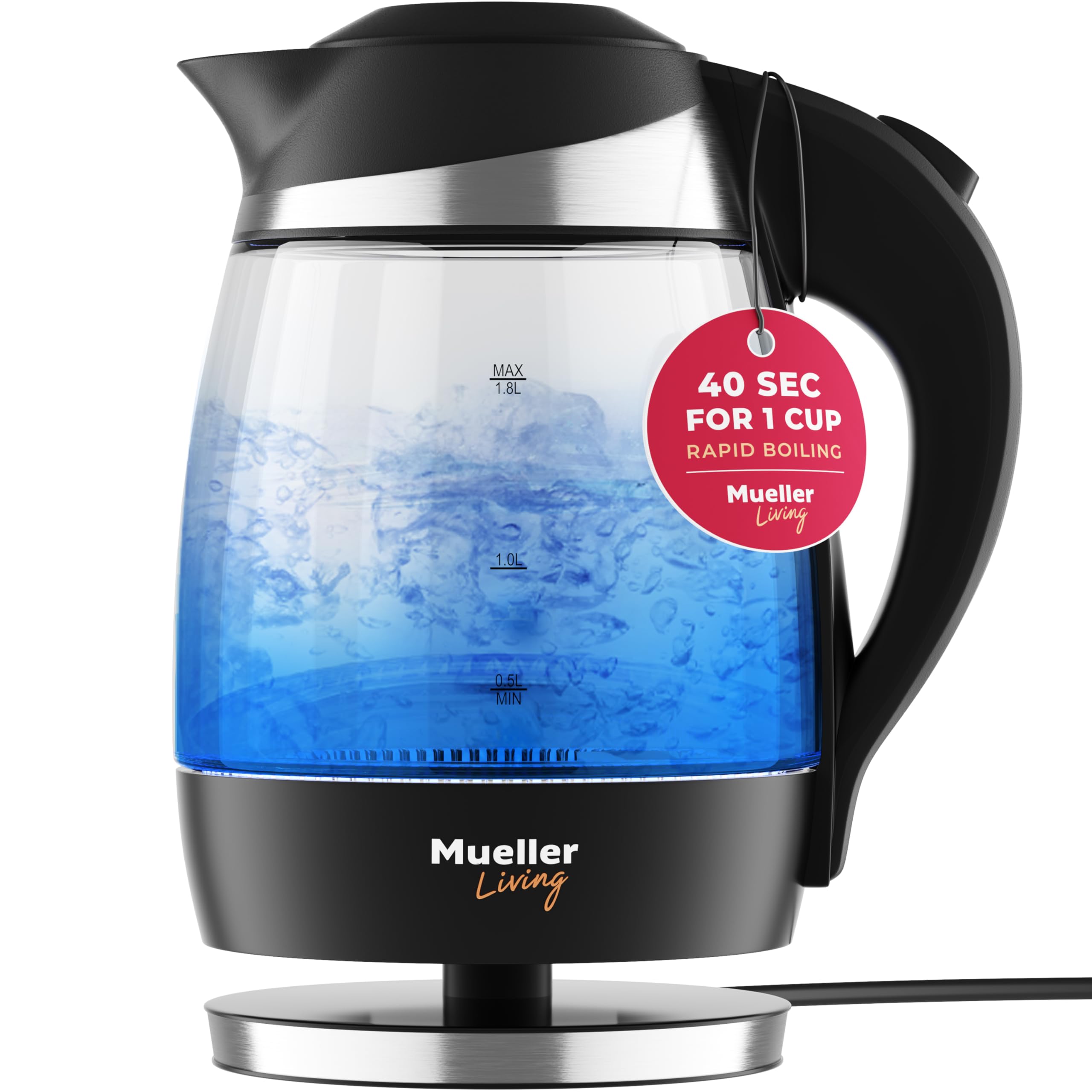
- The kettle shuts off automatically when the water boils.
- A removable, washable filter supports easy maintenance.
- The cordless kettle lifts from its base for pouring.
Best Gift For: Someone who enjoys tea, coffee, oatmeal, or instant soup at home.
Hydracy 2L Motivational Water Bottle
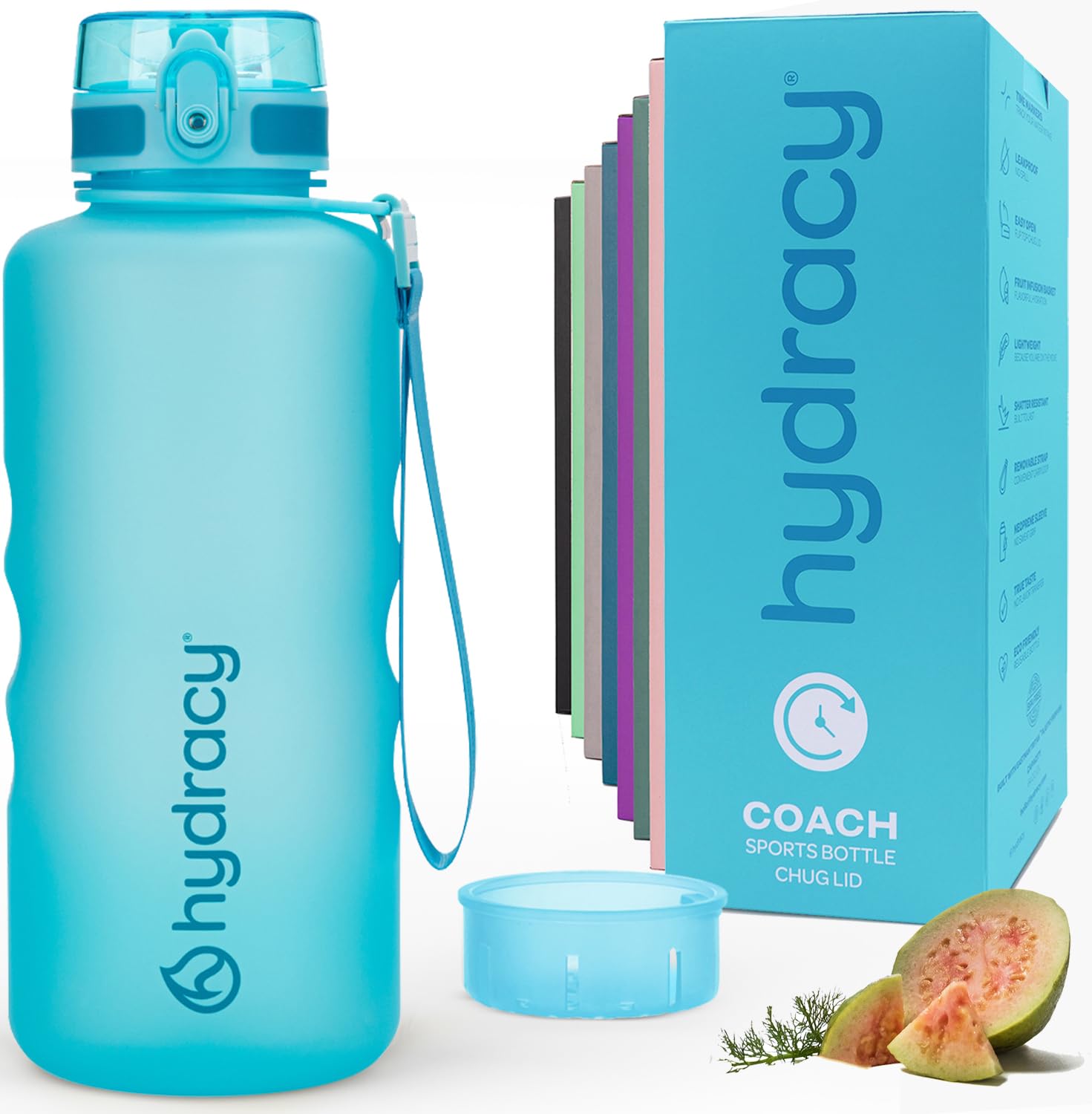
- The timeline marks a suggested rhythm for drinking.
- Includes a detachable carry strap and flip-top lid.
- A wide mouth and fruit infusion strainer add options for drinks.
Best Gift For: Someone who wants a reusable bottle with reminders to sip throughout the day.
Bare Home Cotton Weighted Blanket, 22 lbs
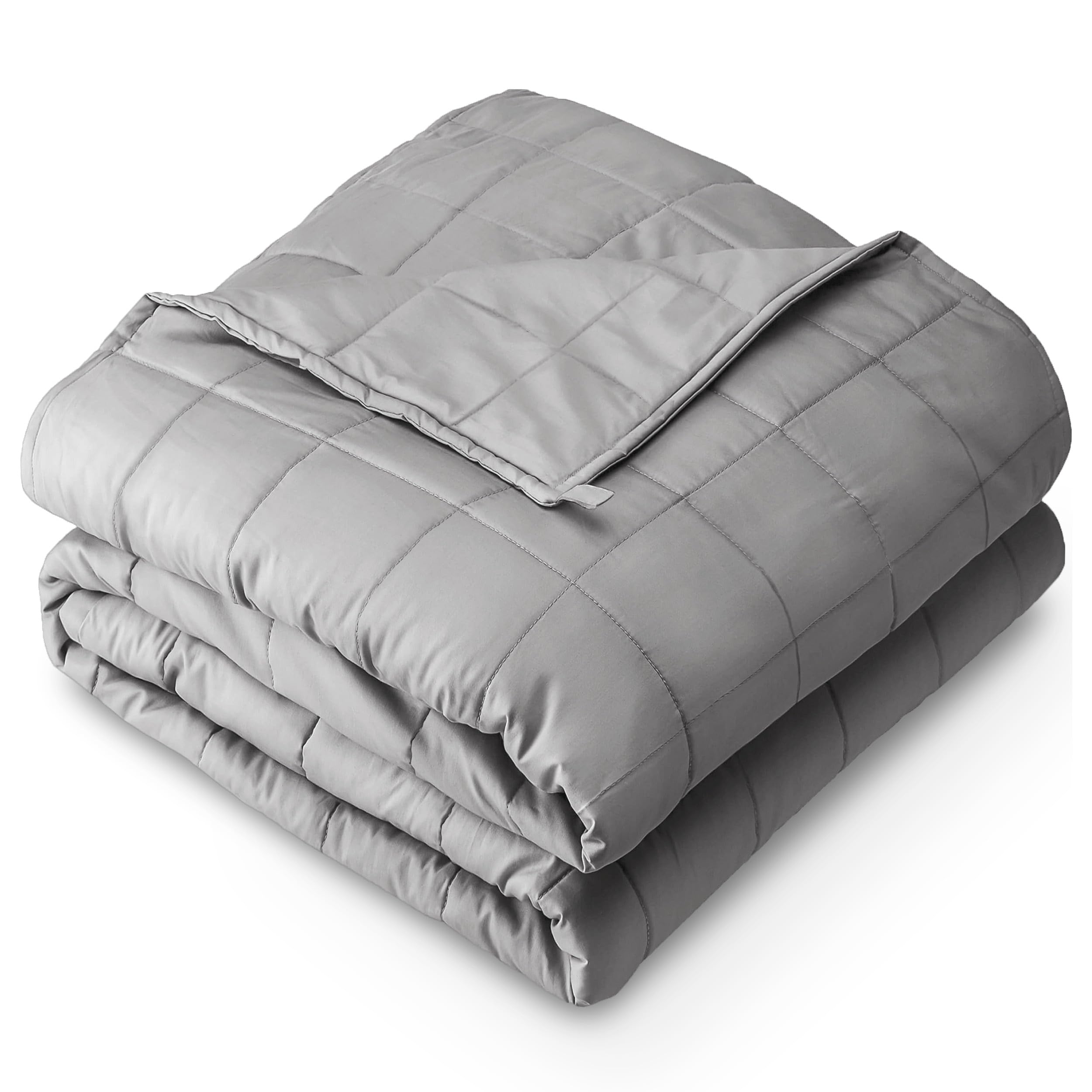
- Cotton fabric and irritant-free filling create the blanket’s weighted feel.
- Reinforced stitching is designed to keep beads from shifting or leaking.
- Corner loops can secure a duvet cover with ties.
Best Gift For: Someone who already knows a weighted blanket suits their comfort preferences.
Clever Fox PRO Light Undated Planner

- Undated pages let the owner start at any time.
- Includes a step-by-step user guide and planning stickers.
- Its layouts cover monthly, weekly, and daily planning.
Best Gift For: Someone who likes organizing appointments, goals, or day-to-day plans on paper.
PILOT G2 Fine Point Green Gel Pens, 12-Pack
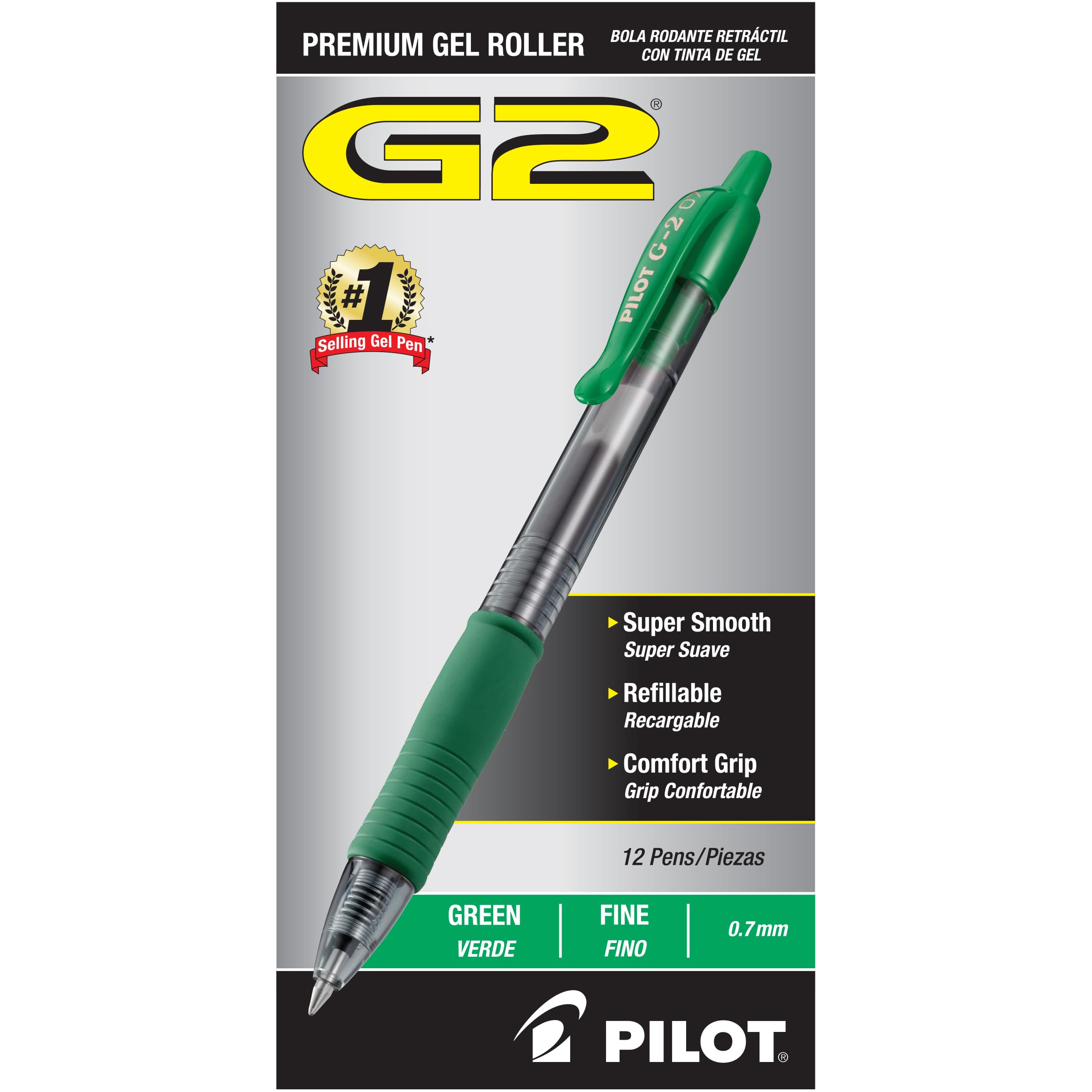
- Quick-drying ink helps reduce smears.
- A contoured rubber grip supports longer writing sessions.
- The pens are refillable with Pilot G2 refills.
Best Gift For: Someone who enjoys writing notes, lists, or plans by hand.
1. Match the Gift to Their Recovery Routine
Start with the recipient’s actual day: where they rest, what they can comfortably do, and which small routines remain part of it. For gifts for people recovering at home, a useful choice might make reading, taking notes, or settling in for a rest a little easier.
Ask a caregiver or the recipient about practical needs when appropriate.
Consider the space as carefully as the item. A bedside surface, seat, or shared room has limits, and a gift that is awkward to store can become one more thing to manage.
Think about noise, cleaning, and whether the recipient will need help setting it up.
Comfort is personal, so avoid assuming that a particular pillow feel, scent, blanket weight, or massage feature will suit everyone. When preferences are uncertain, choose an easy-to-use everyday item or ask before buying something that affects sleep or body comfort.
2. Balance Useful Spending with Flexibility
Set a comfortable budget before comparing options. A practical small gift can be just as thoughtful as a large home appliance when it fits the recipient’s routine; stationery, a sleep accessory, or a drink-making essential can feel personal without taking over a room.
For a bigger purchase, consider the ongoing effort as well as the initial cost. Check whether an item needs cleaning, replacement parts, or a place to live, and whether the person would welcome that responsibility during recovery.
The simpler choice may be the one they reach for most often.
Prices and product details can change, so check the current price and details before ordering. For electrical or comfort products, confirm dimensions, controls, and compatibility with the intended space and the recipient’s needs.
If there is uncertainty, a smaller flexible gift or a contribution toward a chosen item may be kinder.
3. Make the Gift Feel Personal
For gifts for people recovering at home, a short note can explain why you chose the item and remind the recipient that there is no need to respond or entertain you. Tie the message to a familiar routine—a favorite tea break, an audiobook, or a plan for a low-key visit—without asking them to perform gratitude.
Personalization can also mean adapting the presentation. Put a planner with a few blank note cards, pair a kettle with a favorite tea, or add a washable cover or storage pouch only when you know it fits.
Keep extras simple and easy to set aside if the person has limited energy.
Use packaging that is easy to open and does not create a cleanup task. A gift bag, reusable tote, or a note delivered separately can be more considerate than elaborate wrapping, especially when someone is resting or relying on help around the house.
4. Choose the Right Comfort Tradeoffs
Useful comfort gifts solve a small friction point while respecting preferences. Before choosing a room device, consider where it will sit, how it is controlled, and whether its routine upkeep seems manageable.
For a personal comfort item, think about whether the recipient has asked for it or already uses something similar.
Some options can be adjusted, which may help when preferences vary, but adjustability does not make a product right for every person. Ask about preferred firmness, sound, warmth, or fit when those details matter.
For items that touch the body or affect a rest routine, the recipient’s own comfort should guide the choice.
If you are unsure, choose something that supports a familiar activity without prescribing how recovery should go. A place to write, listen, read, or enjoy a drink can offer a gentle bit of normal routine, while leaving the recipient in charge of when and how to use it.
5. Last-Minute Buying Advice for gifts for people recovering at home
For a last-minute gift, pick a familiar, straightforward item and check the seller’s current delivery estimate before you commit. Do not assume a delivery date from a product page or choose a bulky device without confirming the address, available space, and who can help receive or set it up.
Review dimensions, power requirements, compatibility, and care instructions against the actual room and the recipient’s preferences. For a comfort-related item, check fit and any relevant personal guidance before purchase.
A gift receipt or a clear exchange option can make a well-meant choice easier to adjust.
If delivery timing is uncertain, a handwritten note, a planned visit, or a digital gift card for a retailer the person already uses can still feel thoughtful. Offer concrete, low-pressure help—such as dropping off a meal or collecting a few essentials—while letting the recipient decide what would be useful and when.